

Cosmetics & Toiletries, May 2020
Brianna Scacchi, Brian Costello, Joseph Ceccoli and Paul Lawrence, Ph.D. | Biocogent, LLC
KEY POINTS
Considering the evidence supporting the effects of clove for skin, the authors developed an ingredient based on it and tested its capabilities.
Radical scavenging, anti-enzymatic activity, anti-tyrosinase effects and epigenetic benefits for skin were assessed as described here
Introduction
The use of plants and plant products for medicinal and therapeutic purposes has been around since the beginning of civilization. The Eber Papyrus, an Egyptian documentation of herbal knowledge, shows that medical “prescriptions” were in use as early as 1800 B.C. Even earlier, the foundation for medical science of the Hindu culture originates in ayurveda, a therapy traditionally comprising herbal compounds and minerals. Ayurveda is mentioned in the Rigveda, one of the oldest repositories of human knowledge, which was written between 4500–1600 B.C.
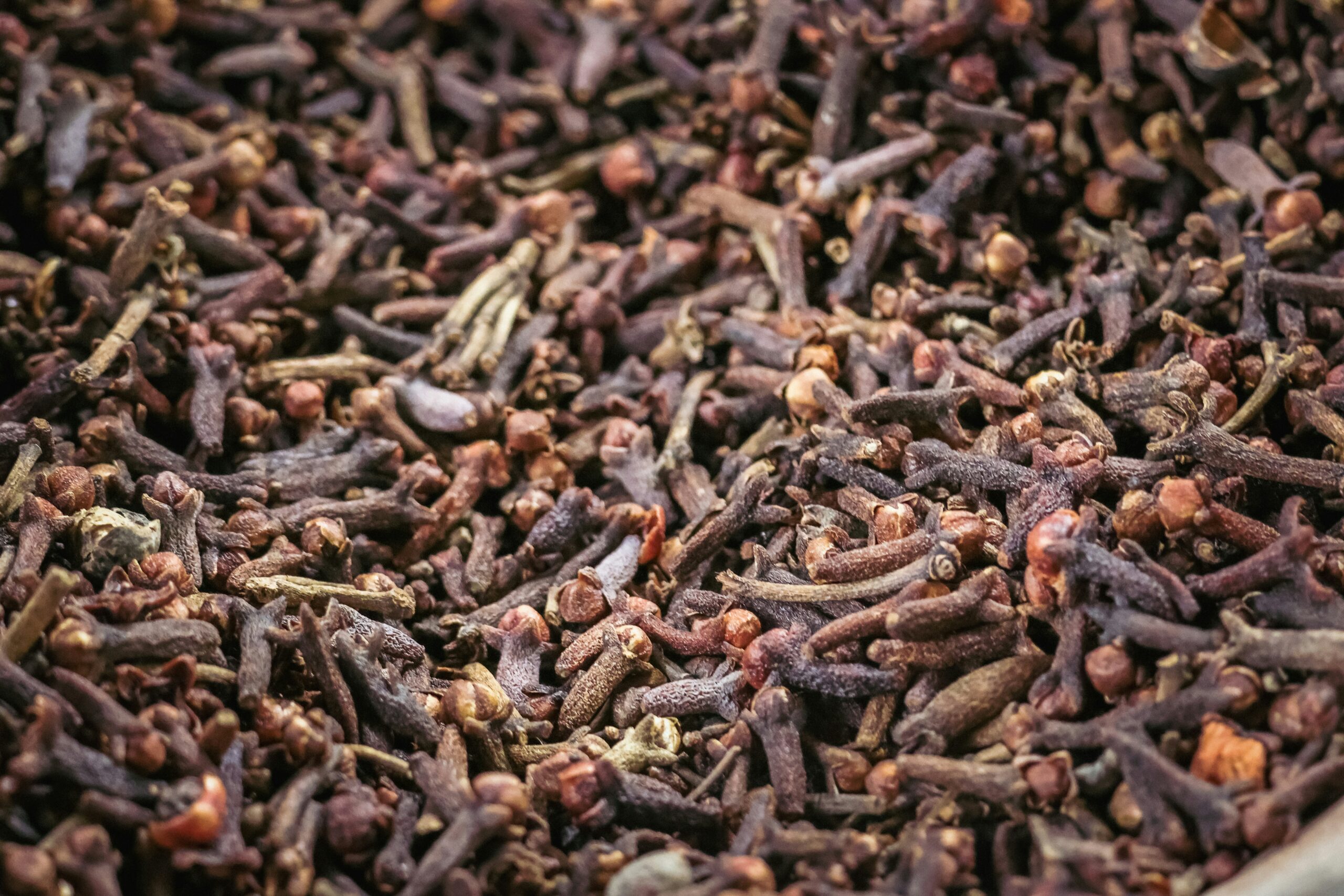
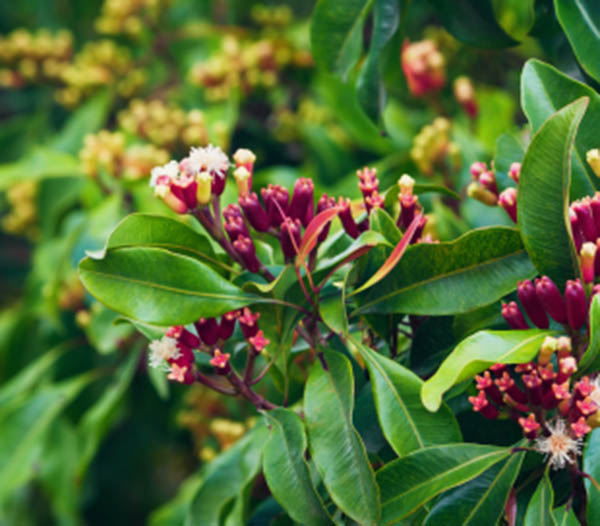
The use of clove (Eugenia caryophyllus), in particular, is reported as far back as 240 B.C. in China, where it was cited for apparent medicinal purposes. Over the years, clove has been taken orally to treat diarrhea as well as liver, stomach and bowel ailments. It has been used to combat toothaches and for mouth and throat inflammation. And, especially in tropical Asia, clove has been used for treatment of conditions such as scabies, cholera, malaria and tuberculosis. To this day, clove is widely employed in holistic medicine in several countries for the treatment of colds, dental abscesses, gum disease, earache and arthritis pain. Moreover, it has anti-fungal, anti-convulsant, anti-cancer and anti-mutagenic activities.
Clove also has proven to be one of the most valuable and beneficial spices for food preservation. The spice originally was derived from the flower buds of the plant – a medium-sized tree native to the Maluku islands in east Indonesia. In modern times, the flower buds are collected from trees in Indonesia, India, Malaysia, Sri Lanka, Madagascar and Tanzania for various commercial uses.
In a 2005 study, clove was tested alongside 25 other phytochemical-rich spices for antioxidant activities and phenolic contents. In fact, these constituents had been investigated for more than 60 years, although the multiple measurement methods used have made it difficult to directly compare results among studies. The total antioxidant capacity and phenolics content of the 26 spice extracts sought to identify the major phytochemicals present to establish a relationship between antioxidant activity and phenolic content, and thereby confirm the source of this activity.